What We Know About the 2028 Olympics So Far
By Deya Miller · 1/21/2026
There are moments in sport that arrive quietly, even when they have been decades in the making.
In October 2023, the International Olympic Committee confirmed that lacrosse will return to the Olympic Games at Los Angeles 2028. Approved in coordination with the LA28 Organizing Committee and World Lacrosse, the decision ends a 120-year absence from the world's largest sporting stage. Lacrosse will join baseball and softball, cricket, flag football, and squash as part of the additional sports shaping the identity of the Los Angeles Games.
For fans, players and communities who have lived with the game, this was never just news. It was the moment we had been waiting for.
Lacrosse has always moved forward without asking permission. It grew through grassy backyards and gritty box floors, through small towns and big leagues and through generations that carried the message, history and importance of the Creators Game (Lacrosse), so lacrosse's return deserves celebration, yes — but also a moment of reflection. Because when a game born far from today's modern institutions and political landscape reenters them, the question is not only what comes next, but why did it leave in the first place and what is remembered of the last game played.
The Olympic History of Lacrosse — And Why It Left
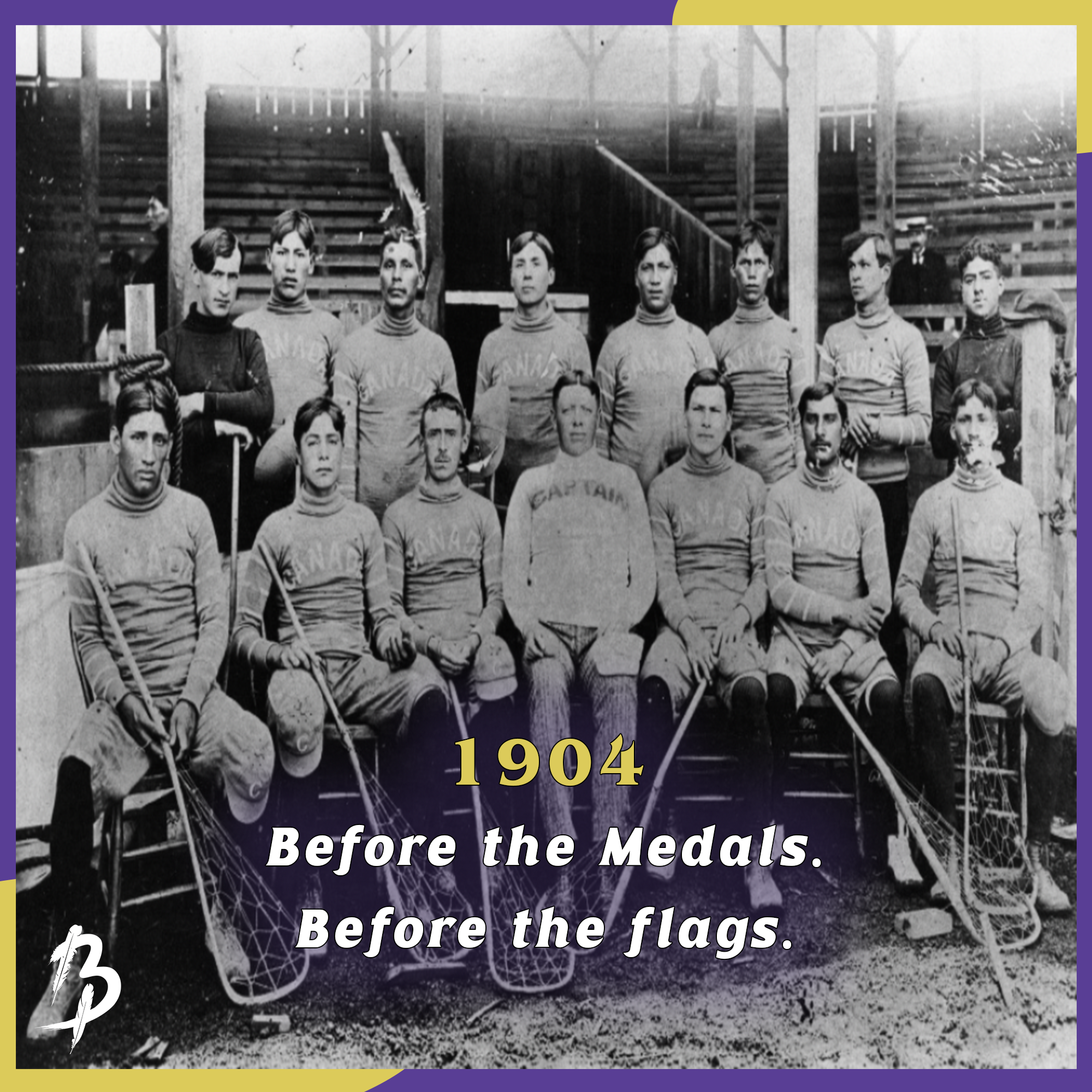
It's important to remember - this is a return, not a debut. Lacrosse has been part of the Olympic story before — just not for very long. The sport first appeared as a medal event at the 1904 Olympics in St. Louis, where three teams competed: two from Canada and one from the United States. Canada won gold, while a team made up entirely of Mohawk players from the Haudenosaunee Confederacy placed third. Lacrosse returned again in 1908 in London, this time as a single championship game between Canada and Great Britain, with Canada once again taking the top spot. After that, lacrosse disappeared from the official Olympic program.
The sport didn't vanish, but its place in the Olympics slowly faded. Lacrosse continued to appear as a demonstration sport only, meaning it was played but not counted for medals. In 1928, at the Amsterdam Games, teams from the United States, Canada, and Great Britain played a short round-robin series. Each team won one game and lost one, showing competitive balance but limited international reach. In 1932, at the Los Angeles Olympics, the United States and Canada faced off in a three-game exhibition series, which the U.S. won two games to one. Lacrosse then made its final Olympic appearance in 1948 in London, ending with a single exhibition game between the United States and Great Britain that finished in a 5–5 tie.
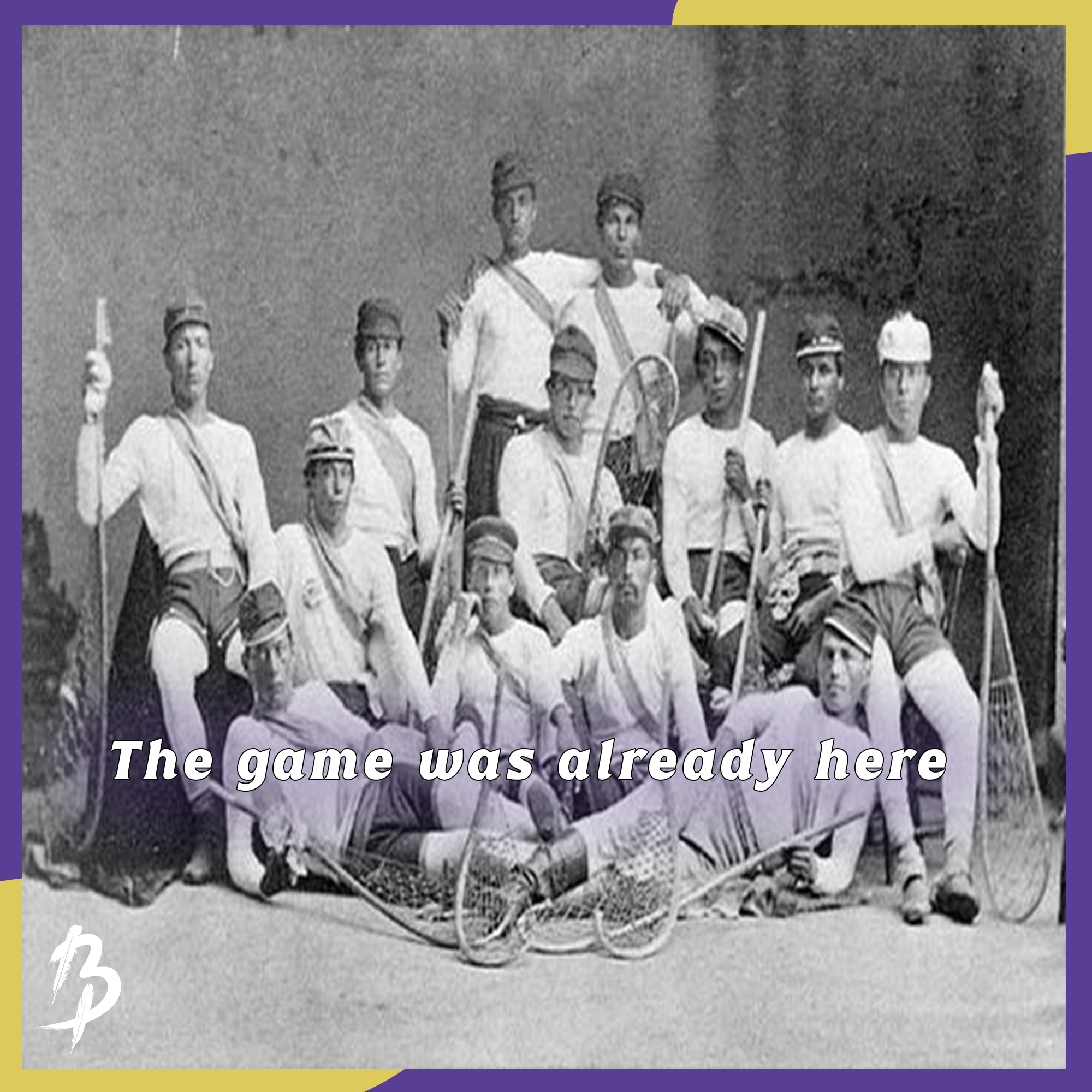
As the Olympics grew bigger and more structured, the rules around which sports were included became stricter. The International Olympic Committee began favoring sports played by multiple countries, with clear governing bodies and formats that fit modern scheduling and broadcasting. This was when the Olympics began broadening their audience with more of a focus on pleasing the investing stakeholders and growing nations. Lacrosse, which often featured only two or three nations at the Games, struggled to meet those expectations also at the same time, the sport's roots in Haudenosaunee culture didn't fit neatly into an Olympic system built around modern nation-states and passports. So, rather than The International Olympic Committee changing itself to fit, accommodate or understand, lacrosse just continued to grow outside the Olympic spotlight.
By the mid-1900s, lacrosse wasn't officially removed — it was simply no longer invited. Its return in 2028 isn't about rediscovery. It's about timing. The sport has changed, the Olympics have changed, the world has changed and for the first time in more than a century, we finally have an understanding and can have a conversation about it.
The World Changed Around the Game
Let's think bigger than lacrosse to understand the larger picture.
The Olympic Games lacrosse we first knew existed in a very different world. In the early 1900s, the Olympics were smaller and less rigid. Sports were often included because they reflected local culture or long-standing tradition within the host's nation. Lacrosse fit that moment. But the world soon changed in ways sport could not avoid.
World War I was the first major break. The 1916 Olympic Games were canceled, interrupting sports as a whole just as the modern Games were beginning to take shape. When the Olympics returned, they did so with a new sense of caution and structure given the tensions of war. Nations had just come through conflict, borders had shifted, and international trust was fragile. The Games were no longer only about sport — they had become a symbol of a nation's stability and economic power to be seen on a global stage.
World War II reshaped the Olympics even more deeply. The 1940 and 1944 Games were also canceled, and by the time the Olympics returned in 1948, the world had changed again. Countries were rebuilding, new political lines had been drawn, international systems were tightening and allies were being made. The Olympics responded by placing greater emphasis on recognized nation-states, formal governing bodies, and standardized rules. This brought peace and order to a fractured world, but it also narrowed who and what fit within the Olympic framework.
For sports like lacrosse, this shift mattered. The game continued to grow, but it remained concentrated in certain regions and deeply connected to Indigenous nations whose sovereignty did not align neatly with modern passport and nation-state systems beliefs. As the Olympics became more structured, political, and fine tuned there was less flexibility for sports that did not fit those definitions. Lacrosse was not removed by law or favor — it simply no longer fit the version of the Games that emerged after war.
Why Lacrosse Sixes Will Take the Olympic Field
At LA 2028, lacrosse will be played in the Sixes format — a faster, stripped-down version of the game built for international competition.
Six players per side. Smaller rosters. Shorter games. Fewer stoppages. Constant motion.
Sixes rewards players who can think and move without hesitation. There is no room for specialized players. Every player must attack and defend, react and recover. The format puts complete athleticism on display — speed, strength, creativity, endurance — while demanding focus and awareness at every moment.
The game also carries echoes of older forms of competition. In Roman times, battles were won through discipline, awareness, and timing — not just raw strength. In medieval warfare, success depended on how different roles worked together: archers creating space, foot soldiers holding ground, and leaders knowing when to advance or pull back. Sixes works in a similar way. Space opens quickly and closes even faster. Every movement changes the shape of the game. Strategy isn't something drawn up and followed step by step — it happens in real time. Players must read the moment, trust their instincts, and act without hesitation.
This is why Sixes fits the Olympic stage. The format aligns cleanly with the Games' structure and priorities. It fits existing venues. It supports gender parity. It lowers barriers for nations still building lacrosse programs. Most importantly, it introduces the sport to new audiences without overwhelming them, while still honoring the intelligence and intensity of the game.
What remains unanswered is whether Sixes represents a temporary solution or the future of lacrosse — whether it is simply what works for the Olympic layout, or a glimpse into the future of lacrosse itself.
Who Could Represent the Haudenosaunee in 2028?
For the Haudenosaunee, competing under their own flag is not a political statement — it is a continuation of responsibility. Lacrosse is the Creator's Game, gifted long before modern borders, passports, or Olympic committees existed. The game has been carried forward through generations as culture, medicine, and ceremony, not simply as competition. To play under another nation's flag would separate the game from its origins. Representation, in this case, is not about exclusion or preference — it is about honoring where the game comes from and who has globally always been entrusted to carry it forward.
Potential Haudenosaunee Olympic Roster:
Goalkeepers:
- Warren Hill (36–37) — Haudenosaunee (Onondaga), NLL Halifax Thunderbirds & Six Nations Chiefs
- Ryder Johnson (26–28) — Haudenosaunee, Six Nations Rebels
- Jack VanValkenburg (27–29) — Haudenosaunee, Albany Alumni
- Saka Thompson — Haudenosaunee, Six Nations Arrows/Potsdam
Field Players:
- Lyle Thompson — Haudenosaunee, NLL Georgia Swarm, Six Nations Chiefs
- Mason Sanden (28–30) — Haudenosaunee, Albany
- Taka Thompson (27–29) — Haudenosaunee (Mohawk), Six Nations Arrows, OCC
- Nonkon Thompson (30–32) — Haudenosaunee (Mohawk), NLL Halifax Thunderbirds & Six Nations Chiefs
- Jake Piseno (28–30) — Haudenosaunee, Rochester Knighthawks/Denver Outlaws
- Kyle Jackson (35–36) — Haudenosaunee, New York Atlas
- Ron John (28–30) — Haudenosaunee, NLL/Newtown Golden Eagles
- Trey Deere (26–28) — Haudenosaunee, Orangeville/Syracuse
- Tayoni Galante (27–29) — Haudenosaunee, Allegany Arrows, Albany
- Dalton Kane (26–28) — Haudenosaunee, Six Nations Arrows, Albany
- Obrigh Tallchief (26–28) — Haudenosaunee, Six Nations Arrows/D'Youville
- Zed Williams (30–31) — Haudenosaunee (Mohawk), NLL Rochester Knighthawks
- Trysten Sunday (29–31) — Haudenosaunee, Six Nations Arrows/OCC
- Stone Jacobs (28–30) — Haudenosaunee, SR B Kahnawake/Snake Island/Six Nations Snipers
- Jakob Patterson (27–29) — Haudenosaunee, Albany Alumni
- Kenny Porter (26–28) — Haudenosaunee, Six Nations Arrows/St. Bonaventure
- Daylin Hill (26–28) — Haudenosaunee, Six Nations Arrows/Jacksonville
- Sgahendade Martin (29–31) — Haudenosaunee, NLL Toronto Rock/Six Nations Chiefs
- Koleton Marquis (28–30) — Haudenosaunee, Kahnawake Sr.B/Albany
- Brooker Muir (29–31) — Haudenosaunee, NLL
- Blayze Becker (26–28) — Haudenosaunee, Six Nations Arrows/Belmont Abbey
Build Your Olympic Team
Think you know who should represent the Haudenosaunee at LA 2028? Select your 12-player roster and share it with friends!
Create Your LineupLooking Ahead to the 2028 Olympics
As lacrosse moves toward Los Angeles 2028, many questions remain — about qualification, representation, and what this moment will mean for the future of the game. What is clear is that this return is about more than competition. It is about history, responsibility, and what gets carried forward for the next generation of lacrosse players.
The Creator's Game Podcast will continue to follow this journey beyond the headlines, offering deeper conversations around the people, politics, and moments shaping what comes next in lacrosse — especially as the road to 2028 unfolds.