The Difference Between an Audience and a Community
A community of 1,000 can outperform an audience of 50,000. Here's the strategic difference most brands miss — and how to shift from passive reach to active belonging.
By Deya Miller · 2026-06-01T00:00:00.000Z · 6 min read
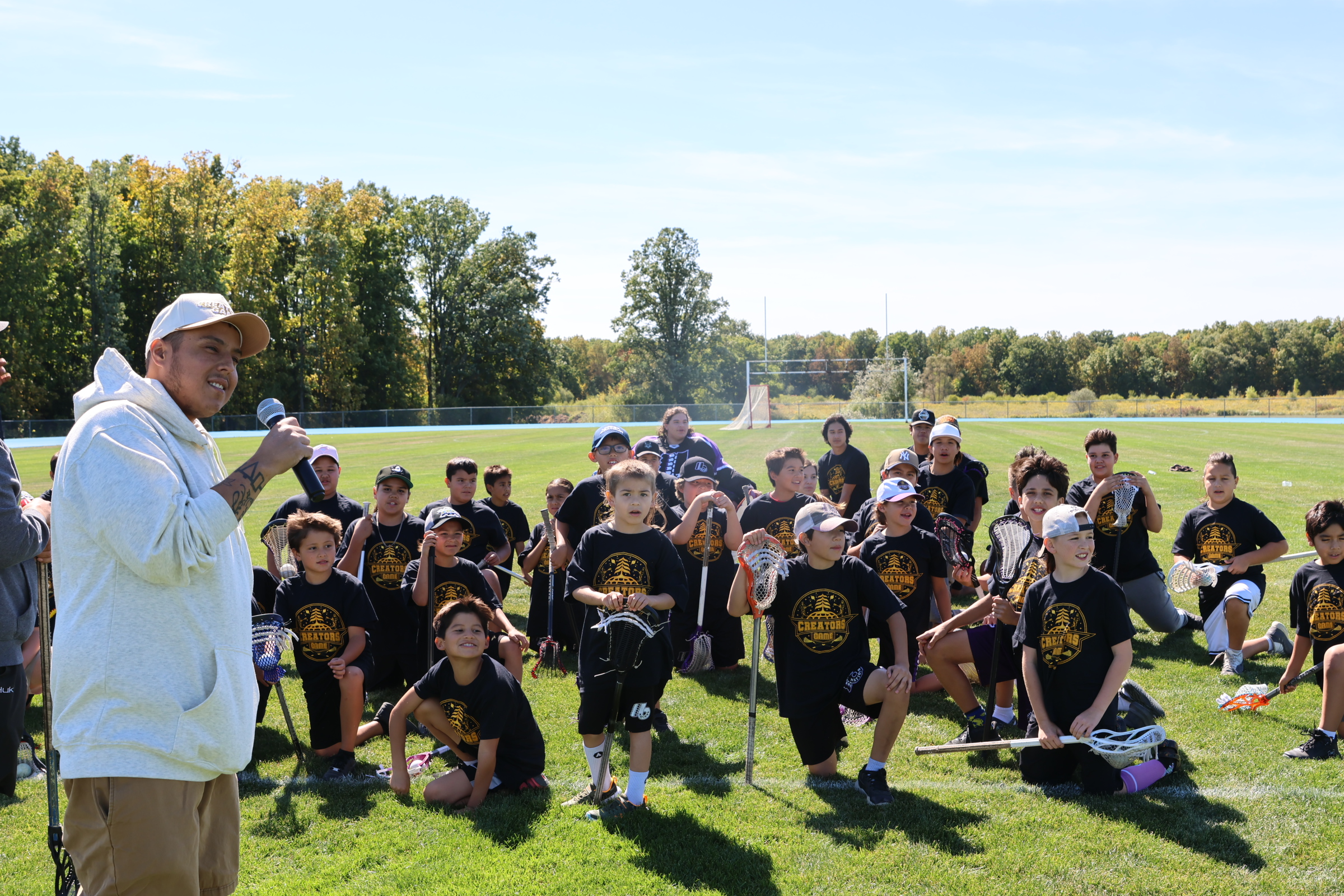
Why more followers don't always mean more influence.
A business with 1,000 connected people can be more valuable than one with 50,000 passive followers.
We've seen it in sports. We've seen it with businesses. And we've experienced it ourselves.
There is a difference between getting people's attention and becoming part of their community.
An audience watches. A community participates.
Understanding that difference can change the way you think about marketing.
An Audience Gives You Attention. A Community Gives You Something More.
Views matter. Followers matter. Reach matters. But they're only the beginning.
An audience might watch your video and keep scrolling. A community shares it with someone.
An audience recognizes your logo. A community knows what you stand for.
An audience sees your sponsor. A community understands why that business belongs there.
An audience consumes what you create.
A community participates in it.
That's where marketing starts becoming more than exposure. It starts creating relationships.
We Learned This Through Lacrosse
The Creator's Game started by telling stories about lacrosse. We interviewed players. Covered games. Talked about the sport. Shared stories we thought people would care about.
Naturally, we wanted the audience to grow. But over time, we realized something more important was happening.
People started knowing us.
Players talked to us. Parents followed the content. Teams welcomed us into their arenas. Businesses wanted to work together. People introduced us to other people. One relationship created another.
The content wasn't only generating views anymore.
It was creating connections.
That's when we started thinking differently about what an audience is actually worth. You don't always need 100,000 people paying a little attention. Sometimes you need 1,000 of the right people paying a lot of attention.
Community Changes How We Think About Marketing
We now bring that thinking into the work we do with businesses.
When someone comes to Beyond Pryde, we're not only thinking: How do we get more people to see this?
We're also asking: Who are the right people?
- Who already trusts this business?
- Who could become an advocate?
- What organizations should they know?
- What businesses could they collaborate with?
- Where does their online presence connect with the real world?
What reason are we giving people to participate?
Because reaching someone and connecting with someone are two very different things.
Kemosabi: Building Beyond the Product
Our work with Kemosabi has reinforced this.
Kemosabi is a First Nations cannabis brand based on Six Nations of the Grand River. We've worked alongside the brand across its website, packaging, social media, campaigns, community activations and partnerships.
Any one of those things could exist independently. But they're considerably more powerful when they work together.
Someone might first encounter Kemosabi at an event. Then see the brand on Instagram. Later, they recognize the packaging. They participate in a giveaway. They tell a friend about the product. They see Kemosabi supporting something happening in their community. Eventually, Kemosabi becomes familiar.
That familiarity matters.
Because marketing isn't always about convincing a stranger to buy something immediately. Sometimes it's about creating enough meaningful interactions that you're no longer a stranger.
Indigenous Communities Aren't a Targeting Option
This becomes especially important when businesses want to advertise to Indigenous people.
You can target a location. You can target an interest. You can sponsor an event. You can buy impressions. But none of those things automatically create a relationship with a community.
A targeting parameter is not a relationship.
Communities notice who shows up. Who collaborates. Who contributes. Who builds relationships. And who only appears when they have something to sell.
For businesses trying to work with First Nations, understanding that difference matters. Trust isn't something you can add to an advertising campaign after everything else has been built.
Trust is part of the strategy.
Sports Organizations Already Have Something Valuable
This same idea applies to sports.
Imagine a lacrosse organization with 5,000 followers. On paper, that's a relatively small audience. But look at who's actually there.
- Players.
- Parents.
- Coaches.
- Fans.
- Volunteers.
- Alumni.
- Local businesses.
- Sponsors.
- Community members.
- People who have been connected to the sport for decades.
Now imagine you're a local restaurant trying to reach families in that community. Would you rather reach 100,000 random people across Canada? Or 5,000 people who live nearby, attend games and know each other?
The value isn't always in the size of the audience. Sometimes it's in the concentration of the right people.
Your Sponsors Deserve More Than a Logo
This is why we think sports sponsorship has a much bigger opportunity.
Most sponsorship packages still revolve around visibility. A logo on a jersey. A banner in the arena. A logo on the website. A few social media posts. Those things have value.
But what if the sponsor could actually participate in the community?
- A recorded game becomes social content.
- An interview becomes a sponsored series.
- Players become storytellers.
- Fans participate in contests.
- Businesses collaborate.
- Sponsors create experiences.
- Content continues circulating long after the final whistle.
Now you're not simply selling a business somewhere to put its logo.
You're creating a way for that business to become part of the community surrounding your organization.
That's a very different sponsorship product.
Don't Stop Measuring Reach. Start Measuring What Happens Next.
Followers aren't bad. Views aren't meaningless. Impressions aren't useless. We measure them too. But they shouldn't always be the finish line.
Instead, think about marketing as a progression:
- Audience: They saw you.
- Engagement: They interacted with you.
- Participation: They became involved.
- Relationship: They developed a connection.
- Community: They became part of what you're building.
And that's where something interesting starts happening.
- People recommend you.
- They introduce you.
- They come back.
- They show up.
- They bring someone else.
- They create conversations you didn't start.
- They create opportunities you couldn't have predicted.
Your community begins creating value with you.
So, How Strong Is Your Community?
Here's a simple question we think every organization should ask:
If your social media disappeared tomorrow, how many people would come looking for you?
Not how many would scroll past your absence. How many would actually notice?
Those are the people worth paying attention to.
Because the goal isn't to stop building an audience.
The goal is to turn attention into connection.
Reach introduces people to you. Relationships give them a reason to stay. And community gives everyone involved a reason to keep building together.
The Pryde Perspective
That's how attention becomes relationships. And relationships become opportunities.